Independent broker research
027Vol. IVJuly 10, 2026
Independent broker research

Broker research

FxPro Demo Account checklist

A demo account is a practice environment funded with simulated money. It is useful for learning a platform and testing order types, but demo conditions rarely match live trading exactly. This page is a checklist for researching a demo account at FxPro. It does not confirm the current terms of any demo offering; those details should be verified directly on FxPro's website, because demo availability, duration and platform options can change and can differ by region.

FxPro Demo Account checklist cover image

What to confirm about the demo itself

Before signing up, check the practical terms of the demo. Some brokers limit demo accounts by time, others keep them open indefinitely or reset them on request. Confirm which platforms the demo supports, what starting balance options exist, and whether you can adjust leverage settings to mirror the live account you would actually use. If the demo defaults to a large balance or high leverage that you would never trade with, the practice experience will teach you unrealistic habits.

  • Check whether the demo expires, and if so, whether it can be extended or reset.
  • Confirm which platform versions are available in demo mode for your region.
  • Set the demo balance and leverage to match the live account size you genuinely plan to fund.
  • Verify whether personal details or identity verification are required to open the demo.
How demo conditions differ from live trading

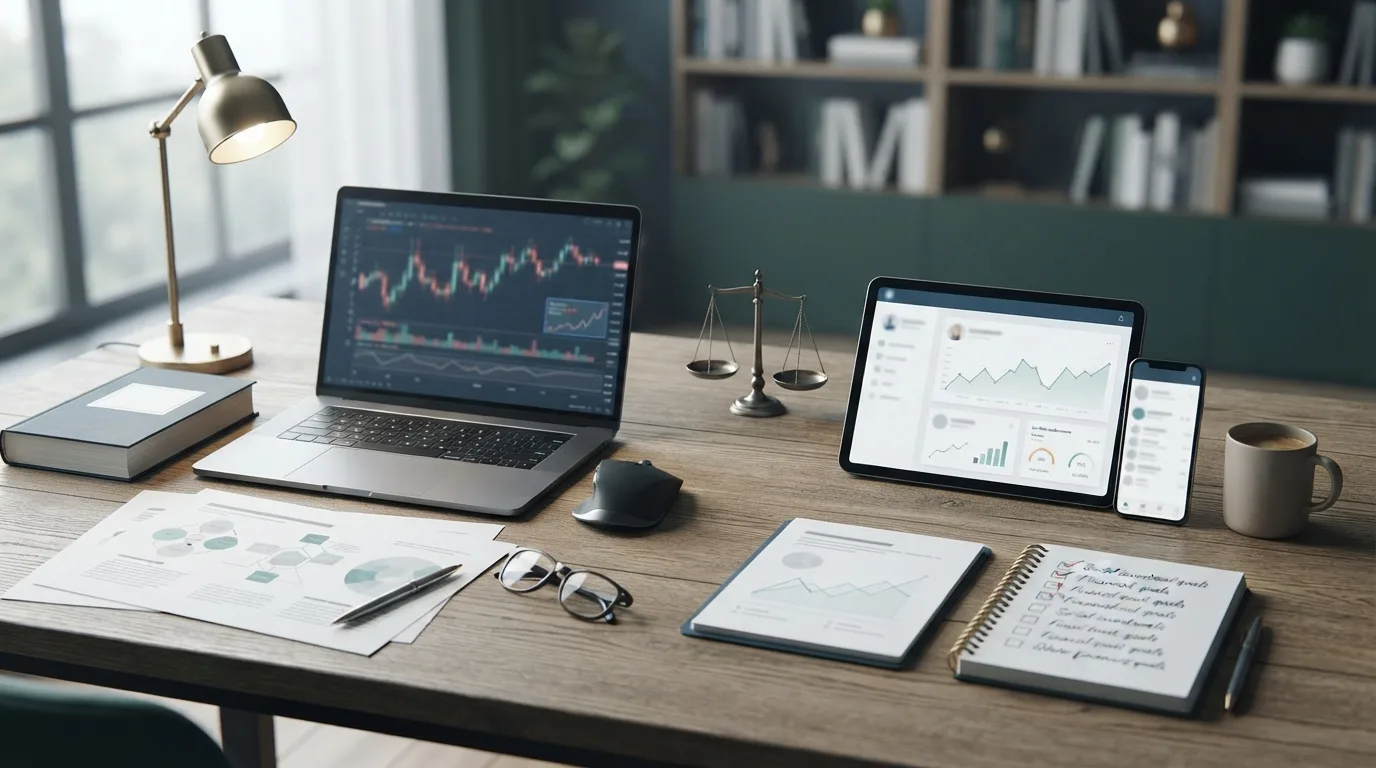
Demo environments simulate execution, which means fills, slippage and spreads may behave better than they would on a live account, especially during volatile periods or around news events. There is also no emotional pressure when losses are simulated, which is one of the biggest differences in practice. Use the demo to learn mechanics, then treat any performance results with caution. A profitable demo run does not predict live results, and execution quality can only be judged on a live account with real, appropriately small positions.

  • Expect live spreads and slippage to differ from demo conditions, particularly in fast markets.
  • Practise the mechanics you will actually use: order types, stop placement, position sizing and platform navigation.
  • Do not treat demo profitability as evidence a strategy will work with real money.

Moving from demo to a live account carefully

If you decide to open a live account after using a demo, verify the live account terms separately, since demo pages often omit live-account details such as minimum deposits, fees and regional restrictions. Read the full FxPro review at /reviews/fxpro for broader context, and use the broker comparison tool at /tools/compare-brokers?brokers=fxpro to weigh FxPro against other reviewed brokers before funding. The reviews hub at /reviews has additional research pages if you are still deciding which brokers to shortlist.

  • Verify live account minimum deposits, fee schedules and available account types directly with the broker.
  • Confirm which regulated entity would hold your live account based on your country of residence.
  • Start with small position sizes on a live account even if demo results were strong.

Continue researching

Open related InvestorTrip pages before treating this topic as a final decision.

FAQ

Is a demo account free to use?

Demo accounts are typically free because they use simulated funds, but terms vary by broker and region. Check FxPro's current demo sign-up page for any conditions, such as time limits or requirements to provide contact details, before registering.

Will demo trading results match live trading results?

Usually not. Demo execution is simulated, so spreads, fills and slippage can be more favourable than live conditions, and there is no emotional pressure from real losses. Treat the demo as a learning tool for platform mechanics rather than a predictor of live performance.

How long should I practise on a demo before going live?

There is no fixed rule. A reasonable approach is to stay on the demo until you can execute your intended order types, stops and position sizing without mistakes, then move to a live account with small sizes. Time spent is less important than consistent, error-free execution of your process.