Understanding the IPO: what it means to "go public"
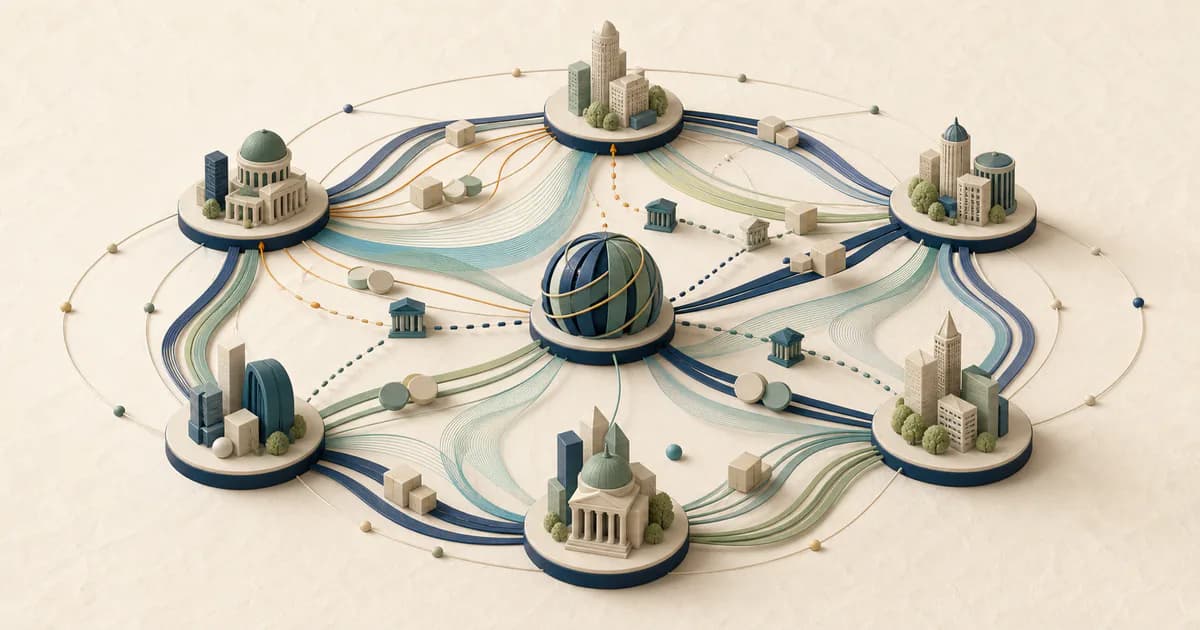
When a company "goes public," it transitions from private ownership to the public markets through an Initial Public Offering (IPO). Historically, the primary market—where shares are first issued—was accessible only to large institutional investors and high-net-worth individuals. Today, the landscape is shifting. Retail investors can now participate in IPOs, though the process remains more complex than buying shares on the secondary market (like the NYSE or NASDAQ). We outline the mechanics of IPO participation and the risks involved.
An IPO is a major milestone for a company. It allows the original founders, early employees, and venture capital backers to sell some of their shares to the public for the first time. It also raises fresh capital for the company's growth. For investors, it represents a chance to buy a stake in a business at the very start of its life as a publicly traded entity. But that chance comes with strings attached.
The IPO lifecycle: from filing to listing
An IPO begins long before shares appear on your brokerage app. Understanding this timeline helps you set realistic expectations.
- Filing the S-1: The company hires investment banks (underwriters) to manage the process. They file an S-1 registration statement with the SEC (or equivalent local regulator). This document contains the company's financial history, risks, and management details. It also includes a preliminary price range. Investors should read the S-1 carefully; it is the only detailed source of information before the stock starts trading.
- The Roadshow: Underwriters pitch the company to institutional investors—pension funds, mutual funds, and hedge funds—to gauge demand. They present the company's story, growth plans, and financial outlook. Institutional investors can ask tough questions and often get a clearer picture than retail investors ever will. The roadshow typically lasts one to two weeks.
- Pricing: Based on demand and feedback, the final IPO price is set the night before the stock starts trading. The price is often above or below the initial range, depending on enthusiasm. The company and underwriters decide the exact number of shares to sell, and the price per share.
- Allocation: Shares are distributed to the underwriters' clients. This is where retail access has historically been blocked. Underwriters give the largest allocations to their biggest clients—those who pay high commissions or provide other banking business. Retail investors often get nothing or a tiny fraction.
- Listing and Trading: The stock opens on an exchange (like the NYSE or NASDAQ) and begins trading. The opening price can be very different from the IPO price, as supply and demand take over. The "IPO pop"—a rapid price increase on the first day—is common, but so is a first-day decline.
How retail investors can get 'in' at the IPO price
To buy shares at the IPO price—rather than waiting for them to start trading on the exchange—retail investors must use platforms with specific primary market access. Availability varies widely and changes frequently. Before attempting any IPO, verify with your broker what is currently offered.
Brokerage IPO desks
Larger traditional brokers often have IPO centers. These are departments that manage requests from clients to participate in IPOs. However, they often require a minimum account balance or a certain level of trading activity to qualify for allocations. For example, some brokers may require balances of $100,000 or more. Even if you meet the threshold, you may not receive shares if demand exceeds supply. The allocation decision is at the broker's discretion.
What to verify before acting: Contact your broker directly. Ask:
- What minimum balance is required?
- How are allocations determined? Is it first-come, first-served? A lottery? Based on trading volume?
- Are there any fees for participating?
- Can you specify a maximum price or must you accept the final IPO price?
Fintech disruptors
Platforms like Robinhood (via its IPO Access feature), SoFi, and Webull have democratized access by partnering with underwriters to reserve a portion of shares specifically for retail users, often with no minimum balance requirements. These platforms typically allow you to request a certain number of shares in the IPO. You then receive a fraction of what you requested, based on availability.
Important note: The terms and availability of such programs change. Robinhood's IPO Access, for example, has faced regulatory questions. Always check the current status of any program before relying on it.
What to verify before acting:
- Does the platform allow you to participate in all IPOs, or only select ones?
- Are there any holding periods? Some platforms restrict you from selling IPO shares for a set number of days.
- What happens if the IPO is oversubscribed? You may get much fewer shares than expected.
- Are there any fees or commissions for IPO participation?
Direct listings and SPACs
Some companies bypass the traditional IPO via a Direct Listing (like Spotify or Slack) or a Special Purpose Acquisition Company (SPAC). In these cases, there is no 'primary' allocation; everyone buys on the open market from day one. That means you cannot get in at a special IPO price. The stock simply starts trading, and you buy shares at whatever price the market sets.
Risk note: Direct listings and SPACs have their own complexities. SPACs, for example, involve a blank-check company that must find a target to merge with. The timeline and risk profile are different from a traditional IPO.
Key risks and considerations
Investing in an IPO is fundamentally different from buying an established blue-chip stock. The primary risk is the lack of historical public data. While the prospectus provides financial details, the stock has no track record of public market valuation. Every IPO is a bet on the future, not a proven track record.
Volatility
IPOs often experience extreme price swings in their first days of trading. The 'IPO pop'—a rapid price increase—is common, but so is a rapid decline if the initial hype fades. In the first week, a stock can swing 20% or more in a single day. If you buy at the IPO price and the stock drops, you could lose a significant chunk of your investment quickly. If you buy on the open market after the IPO, you are exposed to even more volatility.
Real-world example: Many high-profile IPOs have traded far below their IPO price within a year. For example, companies like Uber and Lyft debuted with huge fanfare but saw their shares fall substantially. The hype does not always last.
Lock-up periods
Insiders and early investors (including employees with stock options) are usually barred from selling their shares for 90 to 180 days after the IPO. When this lock-up expires, a surge of selling pressure can drive the price down. You need to be aware of the lock-up expiration date because it often leads to a sharp dip. This is not a guaranteed event—sometimes the market absorbs the selling—but it is a predictable risk.
Under-allocation
Even if you are 'approved' for an IPO, you may only receive a fraction of the shares you requested if demand is high. This is known as being 'scaled back.' You might request 100 shares and receive only 10. Worse, you might receive zero if the broker's allocation is exhausted. This means your plan to invest a specific amount may be disrupted. It also means you cannot rely on IPOs as a consistent way to build a portfolio.
Lack of information
Before an IPO, the company is private. It does not file quarterly reports with the SEC. The S-1 registration statement is the only detailed financial document. It may include audited financials, but those are often for years when the company was smaller. The forward-looking statements are projections, not guarantees. You are buying based on a story, not a historical track record of public earnings.
The "IPO pop" myth
Many retail investors try to get in on IPOs to capture the "pop"—the first day price jump. But that pop is often driven by institutional investors who get large allocations at the IPO price and then sell quickly. Retail investors who buy on the open market at the opening price may already be paying a premium. The pop can quickly reverse. Studies have shown that a significant number of IPOs trade below their first day closing price after one year.
Our perspective: We advise retail investors to treat IPOs as high-risk allocations. The goal should be to understand the company's long-term fundamentals rather than simply 'flipping' shares for a quick profit on day one.
What to verify before investing in an IPO
Before you place an order for an IPO, go through this checklist:
- Read the S-1 prospectus thoroughly. Focus on the risk factors section, management's discussion of financial results, and any debt or legal issues.
- Check the lock-up period. Mark the expiration date on your calendar and be prepared for potential volatility.
- Understand the underwriting syndicate. Which banks are leading the deal? Their reputation matters, but it is not a guarantee.
- Know the company's valuation. Compare the IPO price to similar publicly traded companies. Is it a premium or a discount?
- Review the use of proceeds. What does the company plan to do with the money? If it is just paying off early investors, that is a red flag.
- Set a limit on your exposure. Do not bet your entire portfolio on a single IPO. Limit IPO investments to a small percentage of your overall assets.
- Assess your broker's allocation policy. Do they give priority to high-net-worth clients? Is there a lottery? Will you get any shares at all?
- Be prepared for under-allocation. Have a backup plan if you only get a fraction of what you wanted.
Alternatives to IPO investing
If you cannot get access to IPO shares at the offer price, there are alternatives:
- Wait for the secondary market. Buy shares after they start trading. You miss the first-day pop, but you also avoid the worst of the volatility. You can wait for a few weeks or months until the stock settles into a trading range.
- Look for direct listings. These avoid the traditional IPO machinations and are available to everyone at the opening bell.
- Use IPO-focused ETFs. Some exchange-traded funds invest in a basket of newly public companies. This diversifies the risk and gives you exposure without the allocation headache.
- Monitor secondary offerings. Many companies that go public later do a follow-on offering. This is a secondary market event, and retail access is easier.
Verification and limitations note
IPO availability, fees, minimums, and allocation policies vary by broker, region, and over time. The information above is based on general market practices observed up to the publication date. Before investing, always verify current terms with your specific brokerage. We do not maintain a current ranking of brokers for IPO access because offerings change frequently. What works today may not work tomorrow. We suggest checking official brokerage websites or contacting customer support directly.
Investment banks, underwriters, and regulatory requirements (like SEC rules) also evolve. An IPO today may have different rules than an IPO a year ago. Stay informed by reading official SEC filings and reputable financial news sources.
Risk disclosure: IPOs carry high risk. The lack of historical trading data means you are making a bet on future performance. You could lose part or all of your investment. Past performance of any IPO does not indicate future results. If you are unsure, consider consulting a financial advisor who can assess your risk tolerance.
Conclusion
The primary market for IPOs is gradually opening to retail investors, but it is not yet fully democratized. You need the right brokerage, a clear understanding of the process, and a realistic view of the risks. Do not chase the IPO pop. Instead, treat IPOs as one component of a diversified strategy, built on fundamentals and patience.
We encourage you to start small, read the fine print, and always verify current terms before placing a trade. The opportunity to invest early in a company's public life is exciting, but it comes with responsibilities that differ from buying shares of established companies.